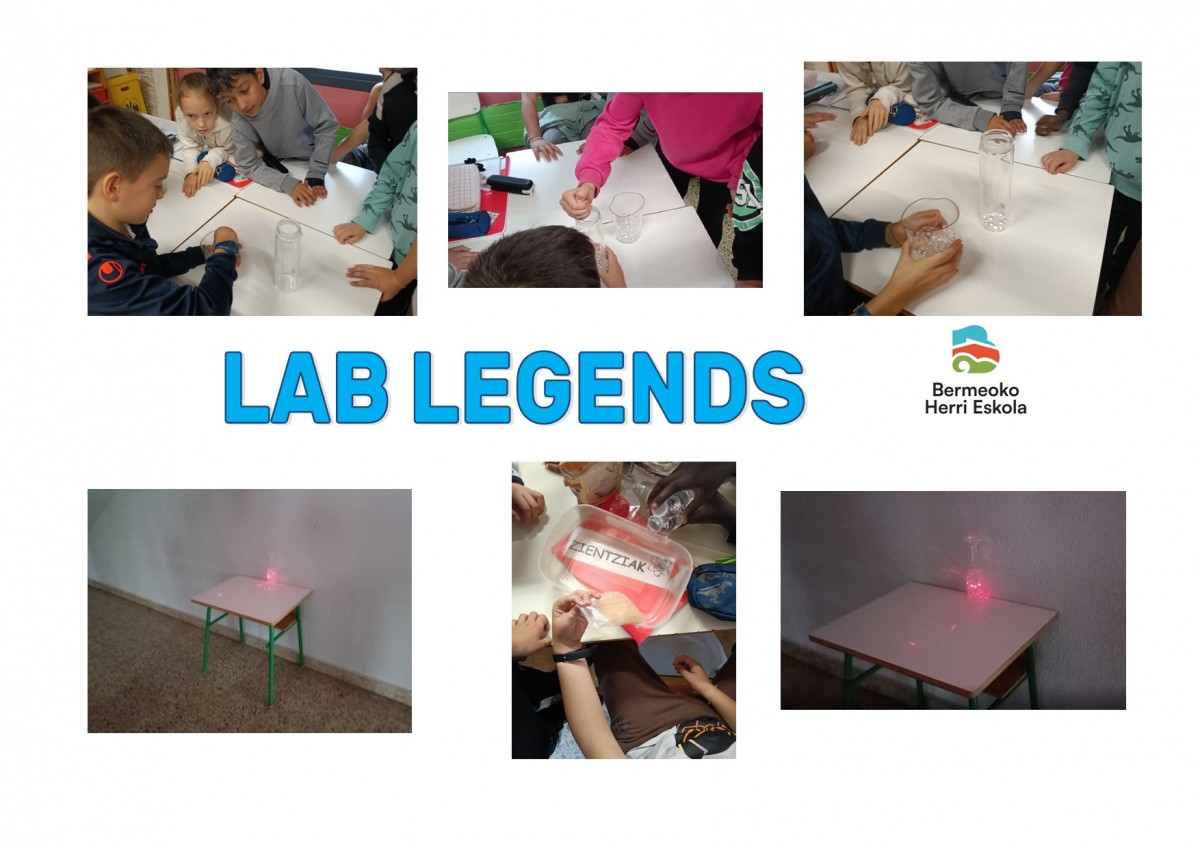
Light does not travel at the same speed in all media because there are different densities. - When light changes media, it changes direction: this is refraction. It was a super fun experiment! We got to see for ourselves how light makes the water tricks
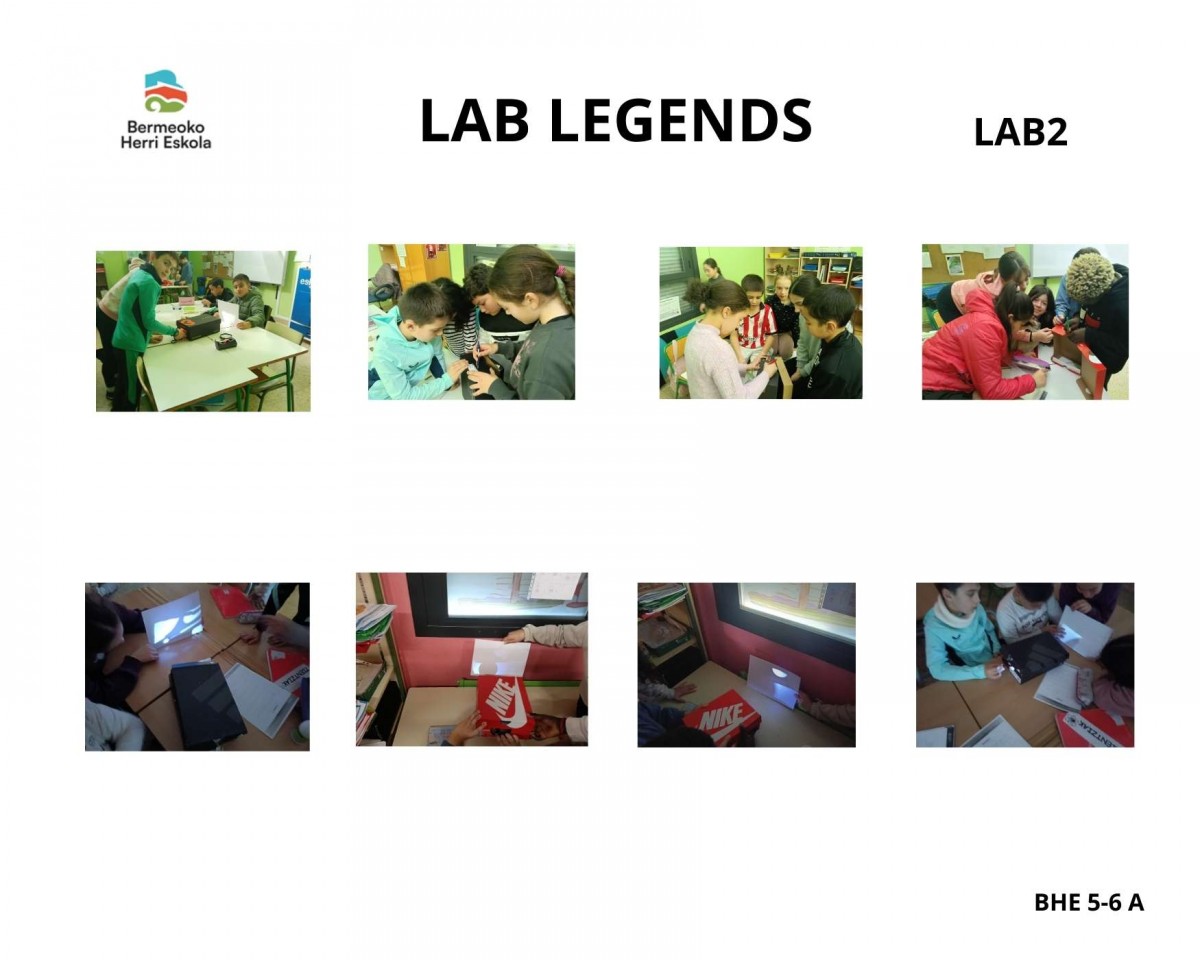
We have learned that an opaque object is one that does not allow light to pass through it. A translucent object allows some light to pass through it. When light interacts with the object, we obtain information about its shape, colour, whether it is opaque or translucent, etc.
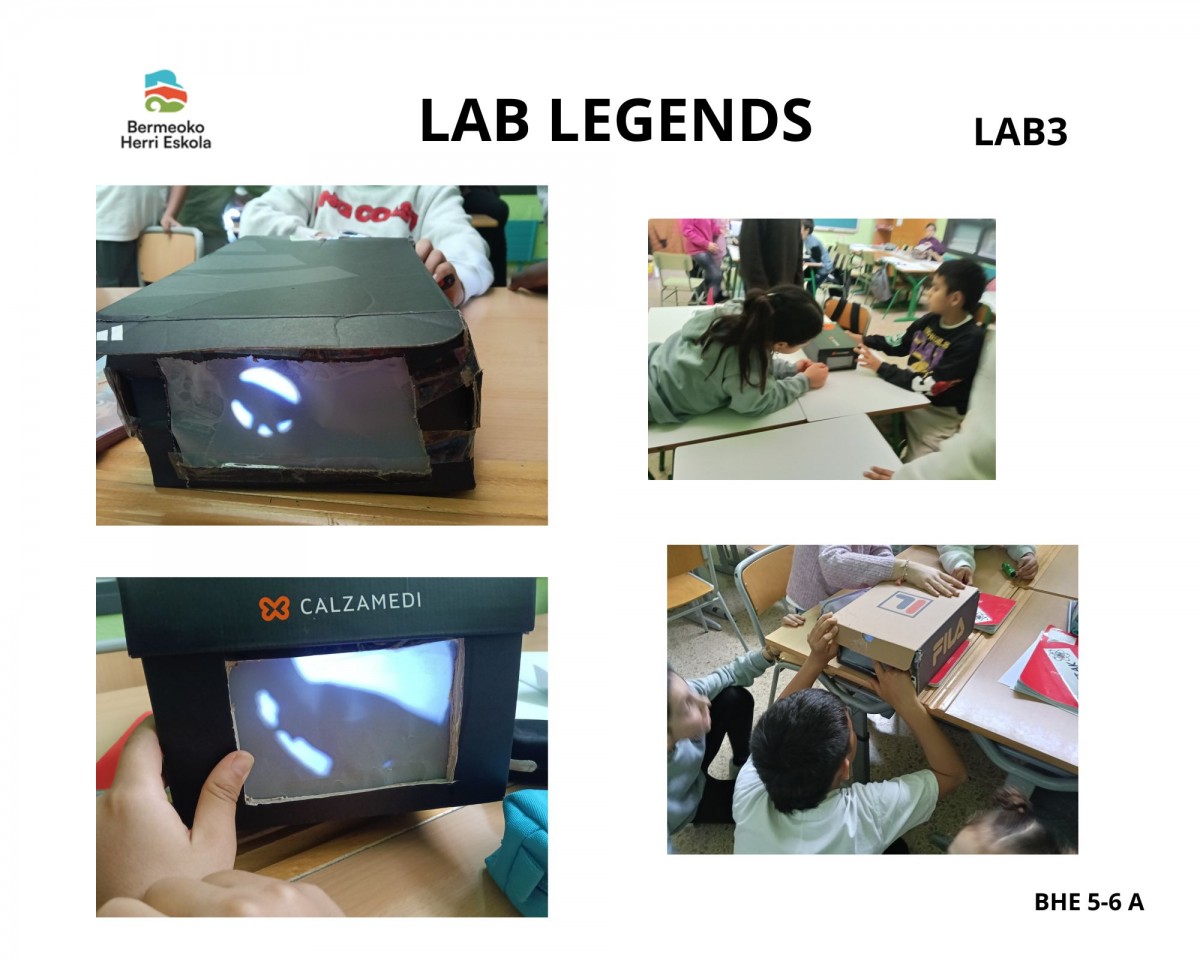
1. The Distance is Key (Focus!) Every lens has a "magic point" called focal length. If the screen (the paper) is too close or too far from the magnifying glass, the image won't look sharp. 2. Our eyes don’t actually "see." They are just organs that turn light into electrical signals to send to the brain. In reality, it is our brain that sees! It interprets the images that come from our eyes. 3. So, our brain is smart enough to understand that the images from our eyes are upside down, and it flips them back so we can see them the right way up.
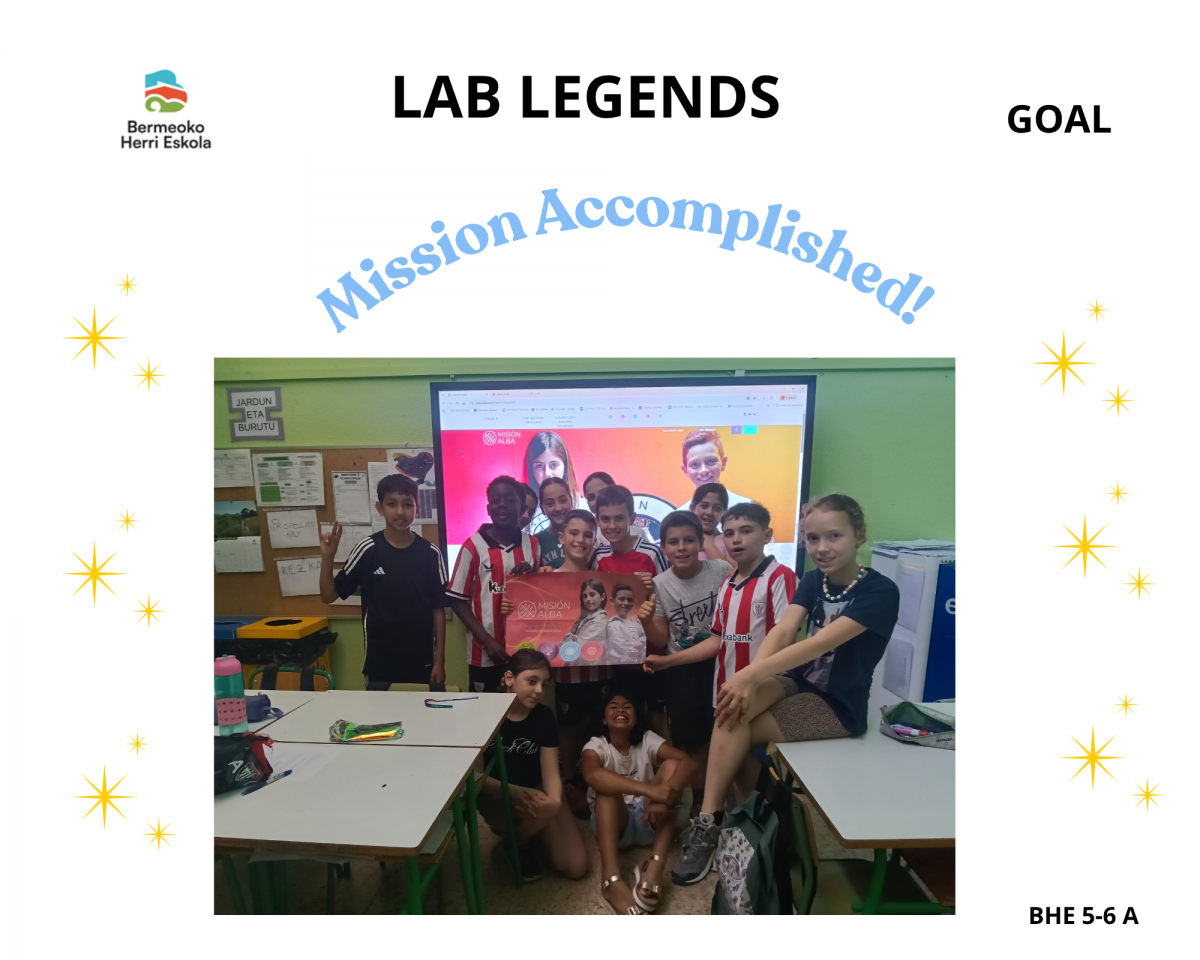
General experience In general, we had a great time and it was very interesting. What we learned We learned that science can be a lot of fun. We also learned new things that we didn't know before, like how to make a light using a bottle and how to play with shadows. The best part The best part was Lab 4, the Moser bottle experiment! Future plans We would love to do it again next year.


Utilizamos cookies propias y de terceros para finalidades analíticas y técnicas; tratando datos necesarios para la elaboración de perfiles basados en tus hábitos de navegación.
Puedes obtener más información y configurar tus preferencias desde 'Configuración de cookies'.


 Volver