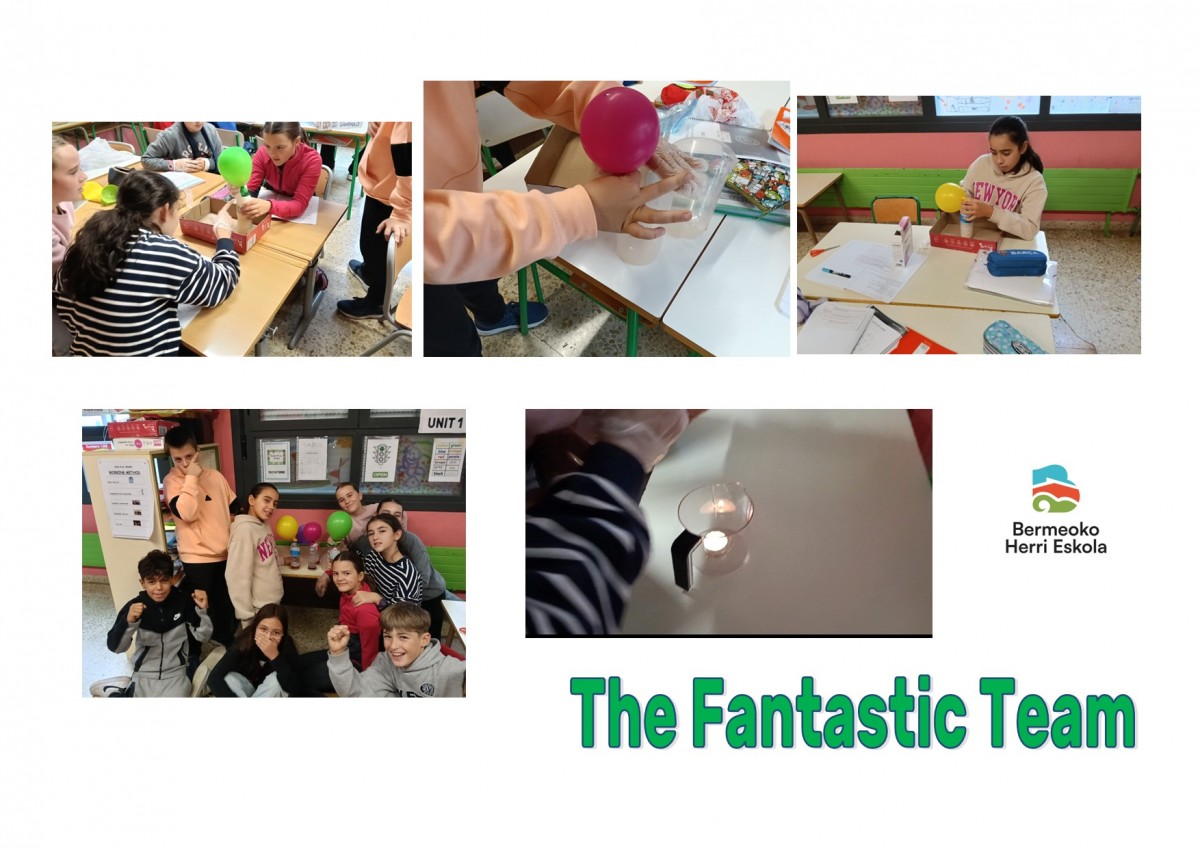
What extinguishes candles is the invisible gas that falls onto the flame. This gas displaces the oxygen that the candle needs to stay lit, because it is denser than the atmosphere and falls until it reaches the bottom of the glass. Indeed, the combustion of the candle is a chemical reaction. For this to occur, wax, oxygen and heat are needed. If one of these elements is missing, there is no combustion. Density has been important in experiments, such as when carbon dioxide sank to the bottom of the glass because it is denser than oxygen.
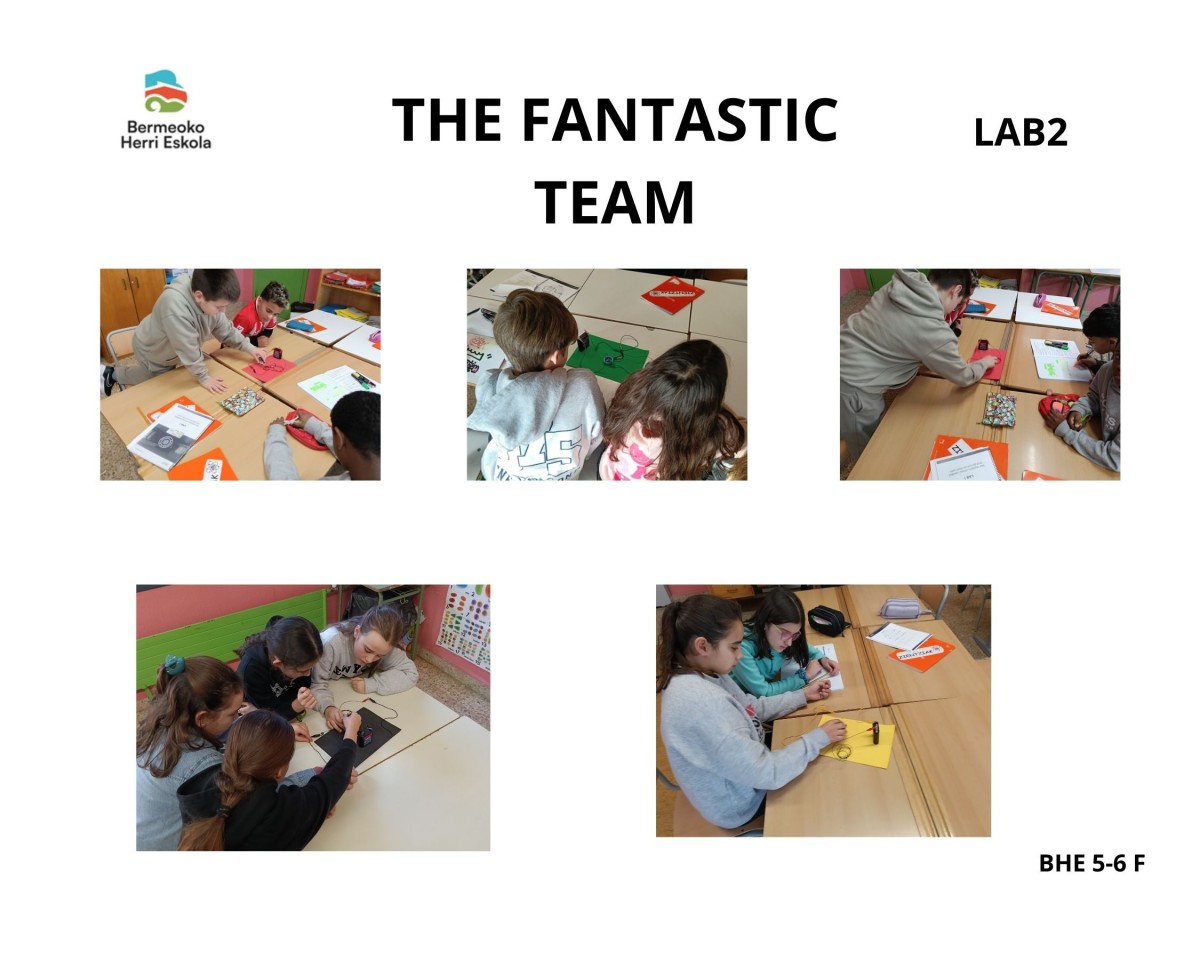
We have learnt that the Earth's interior is like a bipolar magnet and therefore generates a magnetic field. We have also learnt how to make an electrical circuit with a battery, an electrical cable and a light bulb, and we have verified that some materials are conductors of electricity. for example: metal Finally, we did the last experiment and found out why the compass goes crazy when we set up the electrical circuit and attract it with a magnet. The needle moves because of the presence of an electric current or a magnet near it. The electric current flowing through a coiled wire has the same effect as a magnet.
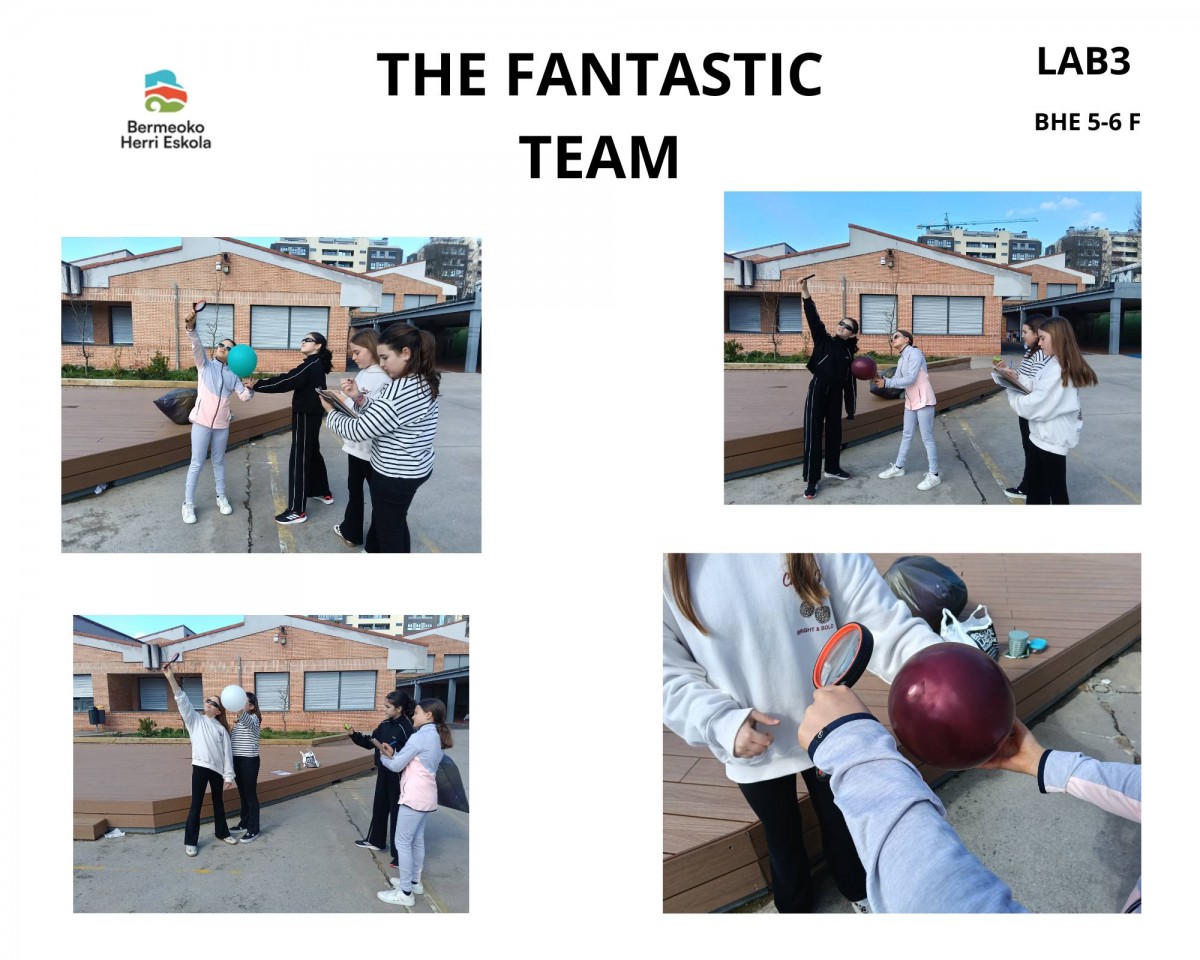
AT THE BEGINNING , THE WEATHER WAS …CLOUDY SO THE EXPERIMENT WAS IMPOSSIBLE BECAUSE THERE WAS NO SUNLIGHT , FINALLY WE DID IT AND SOME BALLOONS BURST FASTER BECAUSE OF THEIR COLOUR , SUCH AS BLACK OR DARK COLOURS. THE WHITE BALLOON REFLECTS ALL OF THE SUNLIGHT SO IT NEVER BURSTS . THE BLACK BALLOON ABSORBS ALL OF IT, SO IT BURSTS VERY FAST. AND THE COLORED ONES ABSORB ALL THE LIGHT EXCEPT FOR THEIR OWN COLOR. * THE SUNLIGHT IS SIMILAR TO THE FLAME BECAUSE IT GIVES US LIGHT AND HEAT. SO THE SUNLIGHT HEATS THE BALLOONS AND THEY BURST.
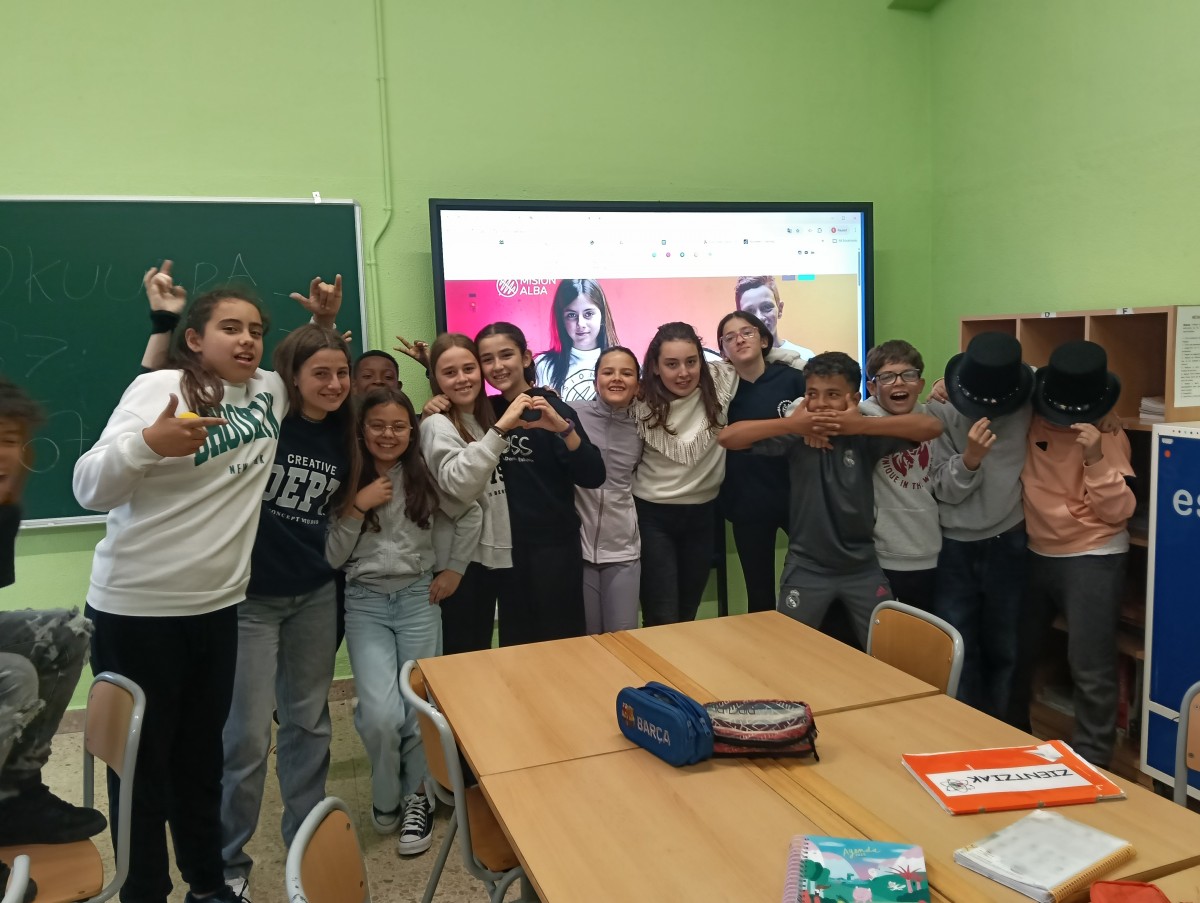
This report shows what we thought about our recent science project. We want to share what we enjoyed, what was difficult, and our ideas for next time. What We Liked Most Doing the experiments: This was the best part for most of us. We loved the hands-on activities. Repeating the project: some of the students said they would definitely like to do it again. What We Found Difficult Writing the conclusions: This was our least favorite part. It was hard to explain the final results especially in English The English language: All the classes were in English. This was the biggest challenge for many students. Recommendations for Next Time Some classmates prefer to do the science project in Spanish next year to understand everything better.


Utilizamos cookies propias y de terceros para finalidades analíticas y técnicas; tratando datos necesarios para la elaboración de perfiles basados en tus hábitos de navegación.
Puedes obtener más información y configurar tus preferencias desde 'Configuración de cookies'.


 Volver